Buying Guide
Toggle navigation menu
Maintenance Guide

How Often to Change Cat Litter in Canada

A clear cadence for scooping and full litter changes, with schedules that shift by litter type, cat count, and the signals that tell you it's time.

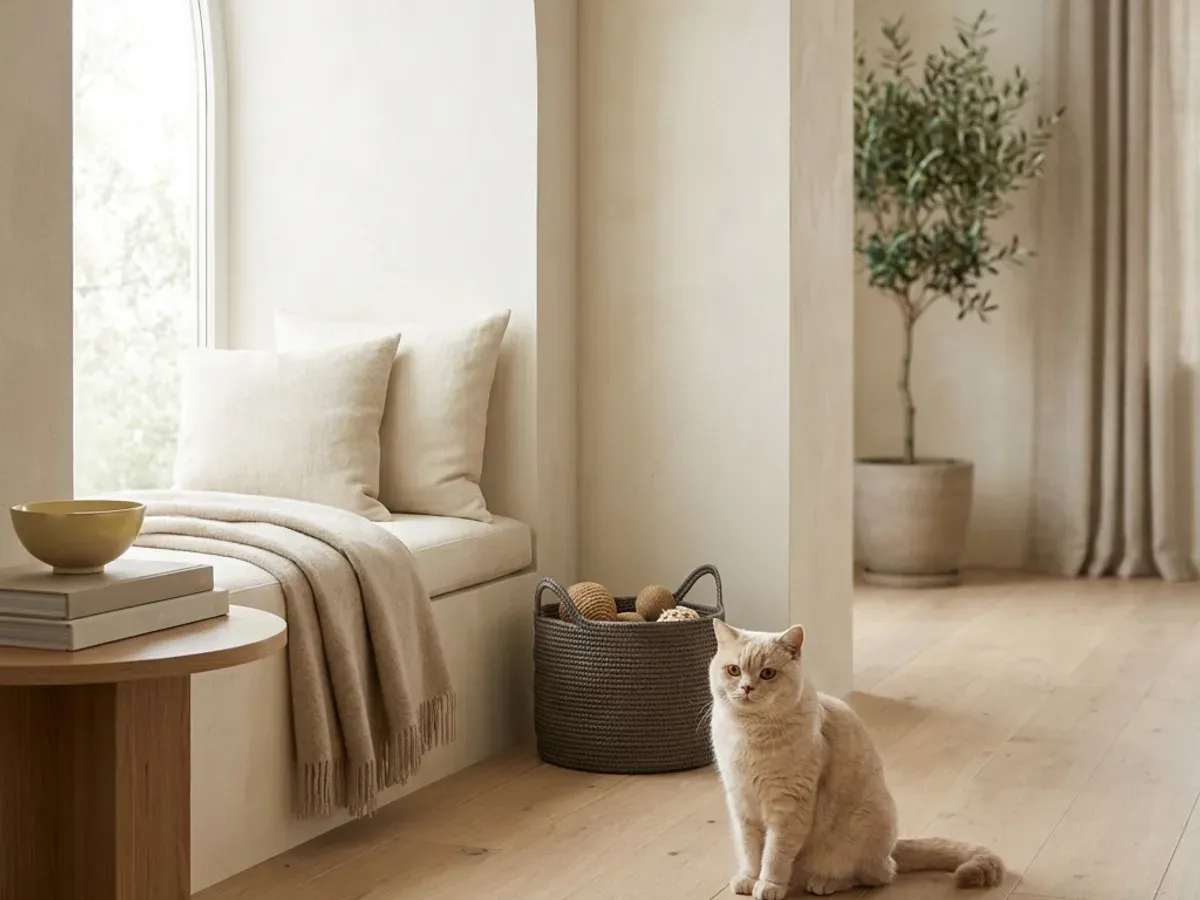
A calm cream cat sitting on light oak flooring in a bright, minimalist room with a linen window seat and an olive tree
Key Takeaways

What matters most

Scoop every day and do a full empty-and-wash on a schedule. The two are different jobs, and scooping alone never replaces a full change.

Cadence depends on the litter: clumping clay usually runs two to four weeks, crystal three to four, while natural wood and paper often need a full change about weekly.

Odor breaking through a fresh scoop, dampness at the bottom, or clumps that crumble are your real signals. Trust those over a fixed calendar date.

Each extra cat shortens the schedule, so follow Merck guidance of one box per cat plus one rather than running a single overloaded box ragged.

Two Different Jobs

Daily scooping and full changes are not the same task

Most "how often" questions blur two jobs into one. Scooping is the daily one: you pull waste out before it sits and starts producing ammonia. A full change is the periodic reset, where you empty the box, wash it, dry it, and refill with fresh litter. You need both, and one never substitutes for the other.

Scooping does the heavy lifting on odor day to day, which is why a box that smells usually points to a missed scoop before it points to the wrong litter. Urine left in the box keeps releasing ammonia, so pulling it out promptly is the most direct lever you have, which is the same reason NIOSH treats ammonia as an air-quality concern worth limiting. NIOSH source

The full change handles what scooping leaves behind. Even a spotless-looking box still holds urine residue and bacteria worked into the litter and the plastic. Skip it long enough and the box reads as dirty to the cat, which Cornell ties directly to house-soiling and box avoidance.

Cadence by Litter Type

Full-change schedules shift with what's in the box

Clumping clay: full change every 2 to 4 weeks

With daily scooping, good clumping clay holds for a few weeks because the clumps carry the urine load out with them. Push the full change earlier in a busy or multi-cat home, and stretch it toward four weeks for a single cat with strong clumps that lift cleanly.

Crystal and silica: full change every 3 to 4 weeks

Crystal litter soaks up liquid rather than clumping, so you scoop solids and stir to expose dry granules. It tends to run longer between full changes, but once the crystals saturate they stop absorbing, and that is your hard cutoff. Our crystal litter guide walks through the stir-and-monitor habit.

Natural wood and paper: full change about weekly

Wood pellets and paper pellets break down as they absorb, and many do not clump firmly. Solid waste comes out daily, but the saturated material piles up fast, so a full change roughly once a week is common. Lighter use can stretch it. Heavier use cuts it short.

Non-clumping clay: full change every 1 to 2 weeks

Without clumping, urine spreads through the litter instead of locking into a removable mass, so scooping only takes out solids. The whole box fouls more evenly, which means more frequent full changes than a clumping formula at the same depth.

These are starting points, not rules. The right number for your home depends on cat count, box count, and how diligent the daily scoop is. Run your own numbers through the cost calculator to see what a given schedule actually costs.

When to Change Early

Read the box, not just the calendar

Odor breaks through a fresh scoop

If you scoop everything out and the box still smells within a few minutes, the litter is spent. That is the clearest signal to do a full change now, whatever the date says.

Dampness or clumps at the bottom

Moisture pooling on the box floor, or clumps that have sunk and fused to the plastic, means the litter has stopped absorbing. Scooping cannot fix a saturated base. Only a full change can.

Clumps crumble instead of lifting

When clumps fall apart on the scoop and leave residue behind, the formula is past its useful life in that box. You will keep dragging waste back into clean litter until you reset it.

Heavier tracking or the cat hesitating

A jump in tracked granules, or a cat that lingers at the entrance, scratches the floor, or goes elsewhere, can mean the box has crossed from used to unusable. Cornell ties exactly this kind of avoidance to a box the cat no longer wants to enter.

Cat count drives all of this. Merck guidance is one box per cat plus one extra, so two cats want three boxes. Spreading the waste across enough boxes slows how fast any single one fouls, which is usually cheaper than changing one overloaded box every couple of days. Pair this with the right litter depth and the schedule mostly takes care of itself.

FAQ

Common questions about litter-change frequency

How often should I completely change clumping cat litter?

With daily scooping, most clumping clay litter holds up for two to four weeks before a full change. The exact point depends on how many cats use the box and how well the clumps stay intact. When fresh scooping no longer clears the smell, or clumps start crumbling instead of lifting cleanly, do the full change even if the calendar says you have time left.

Can I just scoop and never do a full change?

No. Scooping pulls out the visible waste, but urine residue and bacteria keep building up in the litter and on the box itself. Skipping the full change is one of the most common reasons a clean-looking box still smells, and a box that smells to you can read as unusable to the cat. Cornell links dirty or smelly boxes directly to house-soiling and litter-box avoidance.

Does changing litter more often improve odor control?

Up to a point. Daily scooping does most of the work because it removes ammonia-producing waste before it sits. Beyond that, dumping the entire box every couple of days mostly wastes litter and money without a matching jump in freshness. The bigger levers are scooping consistently, having enough boxes, and keeping the depth right, not burning through bags.

How does adding a second cat change the schedule?

More cats means more waste in the same litter, so the box fouls faster and full changes come sooner. Merck guidance is one box per cat plus one extra, so two cats means three boxes. Spreading the load across enough boxes is usually cheaper and cleaner than changing one overloaded box constantly.

Written and reviewed by the Premium Cat Litter editorial team, and checked against the sources cited above. Read how we research and correct our work in our editorial policy.

Match Your Change Schedule to the Right Amount of Litter

Cadence and depth work together. Once you know how often to change the box, set the depth that keeps that schedule realistic and the cat happy.